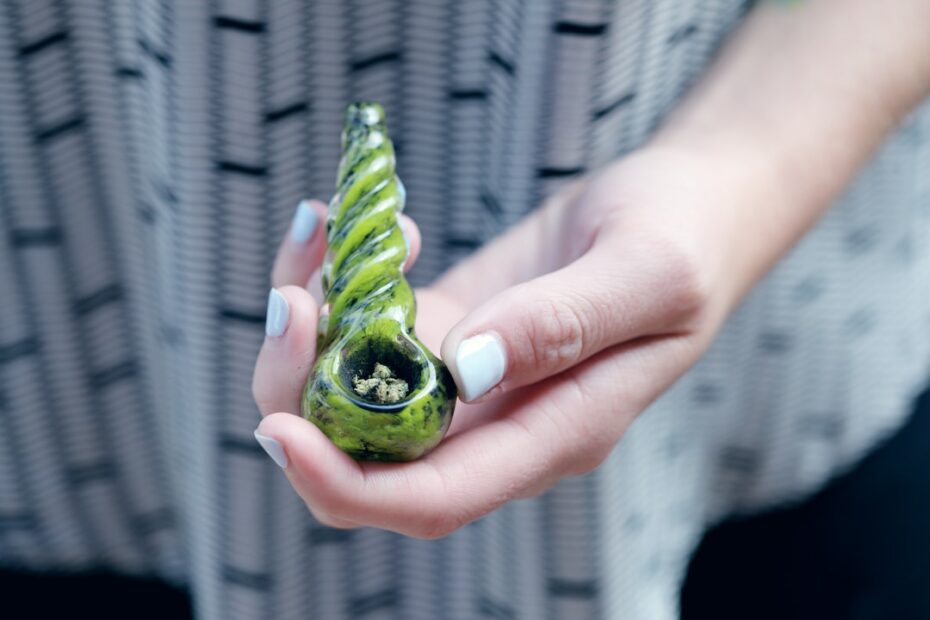
Cannabis has been used for medicinal purposes for thousands of years. Ancient civilizations such as the Egyptians, Greeks, and Chinese recognized the healing properties of this plant and used it to treat various ailments. In recent years, there has been a growing movement towards the legalization of cannabis for medical use. Currently, over 30 states in the United States have legalized medical cannabis, and many other countries around the world have also recognized its therapeutic potential.
Understanding the Science Behind Cannabis
The human body has an endocannabinoid system, which is a complex network of receptors that interact with cannabinoids found in cannabis. This system plays a crucial role in regulating various physiological processes such as pain, mood, appetite, and sleep. When cannabis is consumed, the cannabinoids bind to these receptors and can have a wide range of effects on the body.
There are over 100 different types of cannabinoids found in cannabis, but the two most well-known are THC (tetrahydrocannabinol) and CBD (cannabidiol). THC is responsible for the psychoactive effects of cannabis, while CBD does not produce a high and is known for its potential therapeutic benefits.
The Role of CBD in Cannabis Therapy
CBD has gained significant attention in recent years for its potential therapeutic benefits. It has been shown to have anti-inflammatory, analgesic, and anti-anxiety properties. CBD can also help with sleep disorders and has been used to treat epilepsy in children.
CBD and THC have different effects on the body due to their interaction with different receptors in the endocannabinoid system. While THC binds primarily to CB1 receptors in the brain, CBD interacts with CB2 receptors found throughout the body. This difference in receptor interaction is what leads to the different effects of these two cannabinoids.
Therapeutic Benefits of Cannabis for Chronic Pain
One of the most well-known uses of cannabis is for pain management. Many patients with chronic pain have found relief through the use of medical cannabis. Studies have shown that cannabis can reduce pain levels and improve quality of life for individuals suffering from conditions such as arthritis, fibromyalgia, and multiple sclerosis.
A study published in the Journal of Pain found that cannabis use was associated with a significant reduction in pain intensity and improved sleep quality in patients with chronic pain. Another study published in the European Journal of Pain found that cannabis-based medicines were effective in reducing pain intensity and improving sleep in patients with neuropathic pain.
Cannabis as an Alternative Treatment for Anxiety and Depression
Anxiety and depression are common mental health disorders that can have a significant impact on a person’s quality of life. Traditional treatments such as antidepressant medications and therapy may not work for everyone, and some individuals may experience unwanted side effects.
Cannabis has been shown to have potential benefits for anxiety and depression. CBD, in particular, has been found to have anxiolytic (anti-anxiety) and antidepressant effects. A study published in the Journal of Clinical Psychology found that CBD reduced anxiety levels in individuals with social anxiety disorder. Another study published in the Journal of Psychopharmacology found that CBD had antidepressant-like effects in animal models.
Improved Functioning in Patients with Neurological Disorders

Neurological disorders such as epilepsy and multiple sclerosis can significantly impact a person’s quality of life. Traditional treatments for these conditions may not be effective for everyone, and some individuals may experience unwanted side effects.
Cannabis has shown promise as a treatment for neurological disorders. CBD has been particularly effective in reducing seizures in patients with epilepsy. In fact, the FDA has approved a CBD-based medication called Epidiolex for the treatment of certain types of epilepsy.
Multiple sclerosis is another condition that can benefit from cannabis therapy. A study published in the Journal of Neurology, Neurosurgery, and Psychiatry found that cannabis-based medicine improved muscle stiffness and spasticity in patients with multiple sclerosis.
Cannabis as a Treatment for Cancer Symptoms
Cancer patients often experience symptoms such as nausea, pain, and loss of appetite due to their disease and the side effects of treatment. Traditional medications may not always be effective in managing these symptoms, and some individuals may not tolerate them well.
Cannabis has been shown to be effective in reducing nausea and vomiting associated with chemotherapy. A study published in the New England Journal of Medicine found that cannabis-based medicine was more effective than placebo in reducing nausea and vomiting in cancer patients undergoing chemotherapy.
Cannabis can also help with cancer-related pain. A study published in the Journal of Pain and Symptom Management found that cannabis use was associated with a significant reduction in pain intensity in cancer patients.
The Importance of Access to Dispensaries for Medical Cannabis Patients
While medical cannabis has been legalized in many states, accessing dispensaries can still be a challenge for some patients. Many states have strict regulations on who can access medical cannabis and how it can be obtained. This can make it difficult for patients to get the medication they need.
Having access to dispensaries is crucial for medical cannabis patients. Dispensaries provide a safe and regulated environment where patients can obtain their medication. They also offer knowledgeable staff who can provide guidance on dosing and strain selection.
The Future of Cannabis Therapy in Modern Medicine
The potential for cannabis to become a mainstream medical treatment is promising. As more research is conducted and the stigma surrounding cannabis use continues to decrease, we are likely to see an increase in the use of cannabis therapy in modern medicine.
There is currently a significant amount of research being conducted on the therapeutic potential of cannabis. Scientists are studying its effects on various conditions such as Alzheimer’s disease, Parkinson’s disease, and PTSD. There is also ongoing research into the development of new cannabis-based medications.
The Promising Potential of Cannabis in Medical Treatment
Cannabis has a long history of use for medicinal purposes and is gaining recognition for its potential therapeutic benefits. From pain management to mental health disorders to neurological conditions and cancer symptoms, cannabis has shown promise in improving the quality of life for many patients.
Increased research and access to medical cannabis are crucial for patients in need. It is important for policymakers and healthcare professionals to continue to support and advocate for the use of cannabis therapy in modern medicine. With continued research and education, we can unlock the full potential of this remarkable plant and provide relief to those who need it most.
If you’re interested in learning more about the benefits of medical cannabis, you should check out the informative article on Weed Annapolis’s blog titled “The Science Behind Cannabis Medical Kush.” This article dives deep into the various medicinal properties of cannabis and how it can be used to alleviate symptoms of different medical conditions. From pain management to anxiety relief, cannabis has shown promising results in improving patients’ quality of life. To read the full article, click here.
FAQs
What is Cannabis Medical Kush?
Cannabis Medical Kush is a strain of cannabis that is specifically bred for medicinal purposes. It is known for its high levels of CBD, which is a non-psychoactive compound that has been shown to have numerous health benefits.
What are the benefits of using Cannabis Medical Kush?
Cannabis Medical Kush has been shown to have numerous health benefits, including reducing pain and inflammation, reducing anxiety and depression, improving sleep, and reducing seizures in people with epilepsy.
Is Cannabis Medical Kush legal?
The legality of Cannabis Medical Kush varies depending on where you live. In some countries and states, it is legal for medicinal use with a prescription, while in others it is still illegal. It is important to check the laws in your area before using Cannabis Medical Kush.
How is Cannabis Medical Kush consumed?
Cannabis Medical Kush can be consumed in a variety of ways, including smoking, vaping, edibles, and tinctures. The method of consumption will depend on the individual’s preferences and the desired effects.
What are the side effects of using Cannabis Medical Kush?
Like any medication, Cannabis Medical Kush can have side effects. These can include dry mouth, red eyes, dizziness, and impaired coordination. It is important to start with a low dose and monitor your body’s reaction to avoid any negative side effects.
Can Cannabis Medical Kush be addictive?
Cannabis Medical Kush has the potential to be addictive, especially if it is used frequently and in high doses. However, it is less addictive than other substances such as alcohol and tobacco.