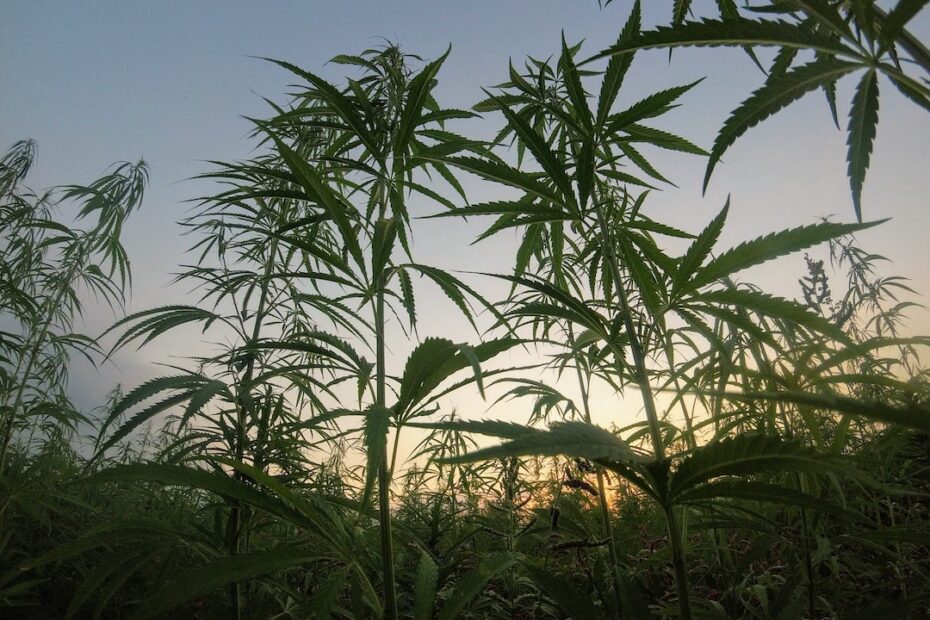
In recent years, there has been a significant shift in the perception and acceptance of cannabis in society. What was once considered a taboo substance is now being embraced for its potential therapeutic benefits and recreational use. This growing popularity can be attributed to a combination of factors, including changing attitudes towards marijuana, increased research on its medicinal properties, and the legalization of cannabis in many states and countries.
The stigma surrounding cannabis has gradually diminished as more people have come to understand its potential benefits. Medical marijuana has gained recognition for its ability to alleviate symptoms associated with various conditions, such as chronic pain, epilepsy, and multiple sclerosis. Additionally, recreational use of cannabis has become more socially acceptable, with many people using it for relaxation and stress relief.
The Origins of Kush: Understanding the Different Strains of Cannabis
Cannabis comes in various strains, each with its own unique characteristics and effects. One of the most well-known strains is Kush, which originated in the Hindu Kush mountain range that stretches across Afghanistan, Pakistan, and India. Kush strains are known for their potent effects and distinct aroma.
Another popular strain is Sativa, which is known for its energizing and uplifting effects. Sativa strains are typically higher in THC (tetrahydrocannabinol), the psychoactive compound responsible for the “high” associated with cannabis use. Sativa strains are often used during the day to enhance focus and creativity.
On the other hand, Indica strains are known for their relaxing and sedating effects. Indica strains are typically higher in CBD (cannabidiol), a non-psychoactive compound that has been found to have various therapeutic benefits. Indica strains are often used in the evening to promote relaxation and sleep.
The Therapeutic Benefits of Cannabis: CBD and its Effects on the Body
CBD, or cannabidiol, is one of the many compounds found in cannabis that has gained attention for its potential therapeutic benefits. Unlike THC, CBD does not produce a psychoactive effect and is therefore more widely accepted for medical use.
CBD interacts with the body’s endocannabinoid system, which plays a role in regulating various physiological processes, including pain sensation, mood, and immune function. Research has shown that CBD can help alleviate pain, reduce inflammation, and promote relaxation.
One of the most well-known therapeutic uses of CBD is in the treatment of epilepsy. In fact, the FDA has approved a CBD-based medication called Epidiolex for the treatment of certain types of epilepsy. CBD has been found to reduce the frequency and severity of seizures in patients with epilepsy.
CBD has also shown promise in reducing anxiety and improving sleep. Many people use CBD as a natural alternative to prescription medications for anxiety and insomnia. Additionally, CBD has been studied for its potential anti-inflammatory and neuroprotective properties, which may have implications for the treatment of conditions such as Alzheimer’s disease and Parkinson’s disease.
Improved Functioning: How Cannabis Can Enhance Your Daily Life
In addition to its therapeutic benefits, cannabis can also enhance daily functioning in various ways. Many people report increased creativity and productivity when using cannabis, particularly strains high in THC. Cannabis can help stimulate the mind and promote a state of flow, making it a popular choice among artists, musicians, and writers.
Cannabis can also enhance social interactions and promote relaxation. Many people find that using cannabis in social settings can help reduce social anxiety and facilitate deeper connections with others. Additionally, cannabis can help promote relaxation and stress relief after a long day, allowing individuals to unwind and recharge.
It’s important to note that the effects of cannabis can vary from person to person, and finding the right strain and dosage is key to achieving the desired effects. It’s also important to use cannabis responsibly and be aware of any potential risks or side effects.
The Different Methods of Consumption: Smoking, Edibles, and More
There are various methods of consuming cannabis, each with its own pros and cons. Smoking is one of the most common methods and involves inhaling the smoke produced by burning cannabis flowers. This method provides quick onset of effects but can be harsh on the lungs and may not be suitable for individuals with respiratory conditions.
Edibles are another popular method of consumption, particularly for those who prefer not to smoke. Edibles are food products infused with cannabis extract, such as brownies, gummies, or chocolates. The effects of edibles take longer to kick in but tend to last longer compared to smoking. However, it’s important to be cautious with edibles, as they can be more potent and the effects can be delayed, leading to accidental overconsumption.
Vaping is another method of consuming cannabis that has gained popularity in recent years. Vaping involves heating cannabis oil or flower at a lower temperature than smoking, which produces a vapor that is inhaled. Vaping is often considered a healthier alternative to smoking as it eliminates the combustion process and reduces the intake of harmful toxins. However, there have been concerns about the safety of vaping due to the recent outbreak of lung injuries associated with vaping products.
The Legality of Cannabis: Dispensaries and the Future of Marijuana

The legal status of cannabis varies from state to state and country to country. In some places, cannabis is fully legalized for both medical and recreational use, while in others it remains illegal or only legal for medical use.
In the United States, several states have legalized cannabis for both medical and recreational use, including California, Colorado, Washington, and Oregon. Other states have legalized medical marijuana only, allowing patients with qualifying conditions to access cannabis for therapeutic purposes.
The legalization of cannabis has led to the emergence of dispensaries, which are specialized stores where individuals can purchase cannabis products. Dispensaries are regulated by state laws and often require individuals to have a medical marijuana card or be of legal age to purchase cannabis.
The future of cannabis legalization is still uncertain, but there is a growing trend towards acceptance and legalization. As more research is conducted on the potential benefits of cannabis and public opinion continues to shift, it is likely that more states and countries will move towards legalization in the coming years.
The Risks of Cannabis Use: Understanding the Potential Side Effects
While cannabis has many potential benefits, it is important to be aware of the potential risks and side effects associated with its use. One of the main concerns is the potential for addiction. Although cannabis addiction is less common compared to substances like alcohol or opioids, it can still occur, particularly in individuals who use cannabis regularly and in high doses.
Another risk associated with cannabis use is impaired driving. Cannabis can impair coordination, reaction time, and judgment, making it dangerous to drive under the influence. It’s important to wait until the effects of cannabis have worn off before operating a vehicle or engaging in any activities that require alertness and coordination.
Additionally, cannabis use can have negative effects on mental health, particularly in individuals who are predisposed to mental health conditions such as anxiety or schizophrenia. While cannabis can provide temporary relief from symptoms of anxiety or depression, long-term use may exacerbate these conditions or increase the risk of developing them.
It’s also important to note that the effects of cannabis can vary depending on the strain, dosage, and individual factors such as tolerance and metabolism. It’s always recommended to start with a low dose and gradually increase as needed to minimize the risk of adverse effects.
The Role of Cannabis in Medicine: Treating Chronic Pain and Illness
Cannabis has been used for centuries for its medicinal properties, and there is growing evidence to support its use in the treatment of chronic pain and illness. Chronic pain is one of the most common conditions for which individuals seek medical cannabis.
Cannabis has been found to have analgesic properties, meaning it can help alleviate pain. Both THC and CBD have been shown to reduce pain sensation by interacting with the body’s endocannabinoid system. Additionally, cannabis has anti-inflammatory properties, which can help reduce inflammation and swelling associated with conditions such as arthritis.
In addition to pain relief, cannabis has shown promise in the treatment of various other conditions, including epilepsy, multiple sclerosis, and chemotherapy-induced nausea and vomiting. CBD-based medications have been approved by the FDA for the treatment of certain types of epilepsy, and research is ongoing to explore the potential benefits of cannabis in other areas of medicine.
However, it’s important to note that while there is evidence to support the use of cannabis in certain medical conditions, more research is needed to fully understand its potential benefits and limitations. It’s also important to consult with a healthcare professional before using cannabis for medical purposes to ensure it is safe and appropriate for your specific condition.
The Future of Cannabis Research: Exploring New Possibilities
As the acceptance and popularity of cannabis continue to grow, so does the need for further research. There are still many unanswered questions about the potential benefits and risks of cannabis use, as well as the optimal strains and dosages for different conditions.
Future research may focus on exploring new strains of cannabis and their effects on the body. There are thousands of different strains of cannabis, each with its own unique combination of cannabinoids and terpenes. Understanding how these compounds interact with the body and contribute to the effects of cannabis could lead to the development of more targeted therapies.
Research may also explore new methods of consumption that are safer and more effective than current options. For example, researchers are investigating the use of transdermal patches, which deliver cannabinoids through the skin, as a way to provide controlled and sustained release of cannabis compounds.
Additionally, research may focus on the potential benefits of cannabis in areas such as mental health, neurodegenerative diseases, and cancer. There is still much to learn about how cannabis interacts with the body and its potential applications in various medical conditions.
Embracing the World of Cannabis and Its Potential Benefits
The growing popularity and acceptance of cannabis reflect a shift in societal attitudes towards this once-taboo substance. With increasing research and legalization, more people are embracing the potential benefits of cannabis for both therapeutic and recreational use.
Cannabis has shown promise in alleviating pain, reducing anxiety, promoting relaxation, and enhancing daily functioning. However, it’s important to be aware of the potential risks and side effects associated with its use, such as addiction and impaired driving.
As research continues to explore the potential benefits of cannabis and its various strains, it is important to approach its use with caution and consult with healthcare professionals when considering it for medical purposes. By embracing the world of cannabis while being aware of its potential risks, individuals can make informed decisions about its use and potentially experience its many benefits.
If you’re interested in learning more about the popular cannabis strain known as Kush, check out this informative article on Weed Annapolis’s blog. The article dives into the history, effects, and cultivation of Kush, providing a comprehensive overview for both beginners and seasoned enthusiasts. Discover why Kush has become a staple in the cannabis community and explore its unique characteristics. To read the full article, click here: https://weedannapolis.com/blog-post-title/.
FAQs
What is Kush?
Kush is a strain of cannabis that originated in the Hindu Kush mountain range, which spans across Afghanistan, Pakistan, and India. It is known for its potent and relaxing effects.
What are the characteristics of Kush?
Kush is typically a dense and sticky bud with a pungent aroma. It has a high THC content and is known for its sedative and pain-relieving properties. Kush strains also tend to have a earthy, spicy, or fruity flavor profile.
What are the medical benefits of Kush?
Kush strains are often used for their medicinal properties, including pain relief, stress reduction, and insomnia treatment. They may also be helpful for managing symptoms of anxiety, depression, and PTSD.
Is Kush legal?
The legality of Kush varies depending on the country and state. In some places, cannabis is legal for medical or recreational use, while in others it is still illegal. It is important to research the laws in your area before using or possessing Kush.
How is Kush consumed?
Kush can be consumed in a variety of ways, including smoking, vaping, and edibles. It can also be used to make concentrates such as hash or oil. The method of consumption can affect the onset and duration of the effects.