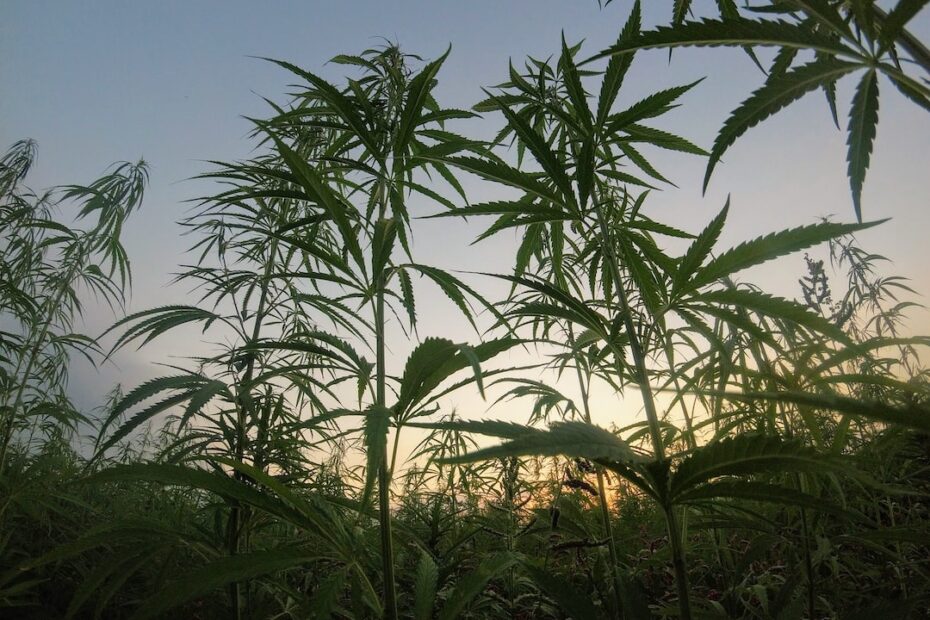
Cannabis, also known as marijuana, has a long and complex history. It has been used for thousands of years for various purposes, including medicinal, spiritual, and recreational use. The earliest evidence of cannabis use dates back to ancient China, where it was used for its medicinal properties. Over time, cannabis spread to different parts of the world and became ingrained in various cultures.
In recent years, there has been a significant shift in the perception and legalization of cannabis. Many countries and states have started to recognize the potential benefits of cannabis and have legalized its use for medical and/or recreational purposes. This change in attitude has sparked a growing interest in understanding the different strains of cannabis and their effects.
Understanding Different Types of Kush
Kush is one of the most popular strains of cannabis. It is known for its potent effects and distinct aroma. However, not all kush strains are the same. There are several different variations, each with its own unique characteristics.
One of the most well-known kush strains is OG Kush. It is known for its strong cerebral effects and uplifting euphoria. OG Kush is often used to treat conditions such as stress, anxiety, and depression. Another popular strain is Bubba Kush, which is known for its relaxing and sedating effects. It is often used to treat insomnia and chronic pain.
Other variations of kush include Purple Kush, Skywalker OG, and Hindu Kush. Each strain has its own unique combination of cannabinoids and terpenes, which contribute to its specific effects and benefits.
The Benefits of Cannabis for Therapeutic Use
Cannabis has been used for centuries for its therapeutic properties. It contains over 100 different cannabinoids, which interact with the body’s endocannabinoid system to produce various effects. Some of the therapeutic benefits of cannabis include pain relief, reduced inflammation, improved sleep, and reduced anxiety.
Cannabis has been shown to be effective in treating a wide range of medical conditions. For example, it can help alleviate symptoms of chronic pain, such as those associated with arthritis or fibromyalgia. It can also be used to reduce nausea and increase appetite in patients undergoing chemotherapy.
In addition, cannabis has shown promise in treating mental health conditions such as anxiety, depression, and PTSD. It can help reduce symptoms and improve overall well-being. However, it is important to note that cannabis should be used under the guidance of a healthcare professional, as the dosage and strain selection can vary depending on the individual and their specific condition.
The Role of CBD in Cannabis
CBD, or cannabidiol, is one of the most well-known cannabinoids found in cannabis. Unlike THC, which is responsible for the psychoactive effects of cannabis, CBD does not produce a “high.” Instead, it has a range of therapeutic benefits.
CBD has been shown to have anti-inflammatory properties and can help reduce pain and inflammation. It can also help alleviate symptoms of anxiety and depression. In addition, CBD has been studied for its potential neuroprotective properties and its ability to reduce seizures in patients with epilepsy.
CBD is often extracted from hemp plants, which contain low levels of THC. This makes it legal in many countries and states where cannabis is still prohibited. CBD products are available in various forms, including oils, tinctures, capsules, and topicals.
Improved Functioning with Cannabis Use
Contrary to popular belief, cannabis use can actually improve mental and physical functioning for many individuals. It can enhance creativity, boost productivity, and improve focus.
Cannabis has long been associated with creativity. Many artists, musicians, and writers have claimed that cannabis helps them tap into their creative flow and think outside the box. It can help enhance sensory perception and provide a different perspective on things.
In addition, cannabis can improve physical functioning. It can help reduce muscle tension and promote relaxation, making it beneficial for athletes and individuals with chronic pain or muscle spasms. Cannabis can also improve sleep quality, which is essential for overall health and well-being.
The Legalization of Cannabis and Dispensaries
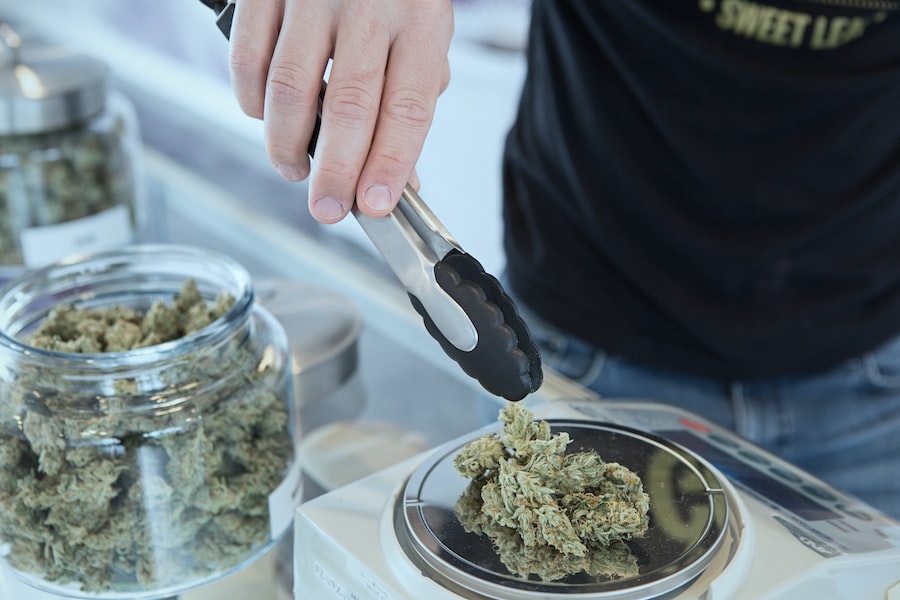
The legalization of cannabis has been a hot topic in recent years. Many countries and states have recognized the potential benefits of cannabis and have legalized its use for medical and/or recreational purposes.
In countries where cannabis is legal, dispensaries play a crucial role in providing safe and regulated access to cannabis products. These establishments are often highly regulated and require individuals to show proof of age before purchasing cannabis products. Dispensaries offer a wide range of cannabis products, including flowers, edibles, concentrates, and topicals.
Dispensaries also provide education and guidance to individuals who are new to cannabis. They can help customers understand the different strains and their effects, as well as recommend products based on their specific needs and preferences.
Exploring Different Forms of Cannabis Consumption
There are several different methods of consuming cannabis, each with its own pros and cons. The most common methods include smoking, vaporizing, edibles, tinctures, and topicals.
Smoking is the most traditional method of consuming cannabis. It involves inhaling the smoke produced by burning dried flowers or concentrates. Smoking provides an immediate effect but can be harsh on the lungs.
Vaporizing is a healthier alternative to smoking. It involves heating the cannabis at a lower temperature, which produces a vapor that can be inhaled. Vaporizing allows for more precise temperature control and reduces the risk of inhaling harmful toxins.
Edibles are another popular method of consuming cannabis. They come in various forms, such as cookies, brownies, gummies, and beverages. Edibles provide a longer-lasting effect but can take longer to kick in compared to smoking or vaporizing.
Tinctures are liquid extracts that are typically taken sublingually (under the tongue). They provide a fast-acting effect and are easy to dose. Tinctures can be flavored or unflavored and are often used for medicinal purposes.
Topicals are cannabis-infused products that are applied directly to the skin. They can provide localized relief from pain, inflammation, and skin conditions. Topicals do not produce a psychoactive effect and are often used for therapeutic purposes.
The Art of Growing Cannabis: Tips and Tricks
Growing cannabis can be a rewarding and fulfilling experience. However, it requires knowledge, patience, and attention to detail. Here are some tips and tricks for successful cannabis cultivation:
1. Choose the right strain: Different strains have different growth requirements. Some strains are more suitable for indoor cultivation, while others thrive in outdoor environments. Consider factors such as climate, space, and available resources when selecting a strain.
2. Provide the right environment: Cannabis plants require specific conditions to grow successfully. They need ample light, proper ventilation, and the right temperature and humidity levels. Invest in quality grow lights, fans, and environmental control systems to create an optimal growing environment.
3. Use quality soil or growing medium: The quality of the soil or growing medium can greatly impact the health and growth of your cannabis plants. Use a nutrient-rich soil or choose a suitable hydroponic system for indoor cultivation.
4. Monitor nutrient levels: Cannabis plants require a balanced mix of nutrients to grow properly. Use organic fertilizers or nutrient solutions specifically formulated for cannabis cultivation. Monitor nutrient levels regularly and adjust as needed.
5. Control pests and diseases: Cannabis plants are susceptible to pests and diseases. Implement preventive measures such as regular inspections, proper sanitation, and the use of organic pest control methods. If an infestation occurs, take immediate action to prevent further damage.
6. Harvest at the right time: Harvesting cannabis at the right time is crucial for maximizing potency and flavor. Monitor the trichomes (resin glands) on the flowers to determine the optimal harvest time. Trichomes should be milky white or amber in color, depending on the desired effects.
The Social and Cultural Impact of Cannabis
Cannabis has had a significant impact on society and culture throughout history. It has been used as a sacrament in religious ceremonies, as a recreational substance for socializing, and as a symbol of counterculture movements.
In recent years, cannabis has become more mainstream and accepted in many parts of the world. It has influenced various aspects of popular culture, including art, music, and fashion.
Artists have long been inspired by cannabis and its effects. Many famous musicians, such as Bob Marley and Snoop Dogg, have openly embraced cannabis culture and incorporated it into their music. Cannabis has also been a subject of many artworks, from paintings to sculptures.
In the fashion industry, cannabis-inspired designs have become increasingly popular. Cannabis leaf motifs can be found on clothing, accessories, and even high-end designer pieces. Cannabis-themed events and fashion shows have also gained traction in recent years.
Navigating the Future of Cannabis: Trends and Predictions
The future of cannabis looks promising, with ongoing trends indicating further legalization and acceptance. Here are some current trends in the cannabis industry:
1. Increased legalization: More countries and states are expected to legalize cannabis for medical and/or recreational use in the coming years. This will create new opportunities for businesses and consumers alike.
2. Innovation in product development: The cannabis industry is constantly evolving, with new products and delivery methods being developed. From infused beverages to transdermal patches, there is a wide range of innovative products hitting the market.
3. Focus on sustainability: As the cannabis industry grows, there is a growing emphasis on sustainability and eco-friendly practices. Cultivators are adopting organic and sustainable farming methods, and packaging is becoming more environmentally friendly.
4. Integration of technology: Technology is playing a significant role in the cannabis industry. From automated cultivation systems to online ordering platforms, technology is streamlining processes and improving efficiency.
5. Global expansion: As more countries legalize cannabis, there will be an increase in international trade and collaboration. This will lead to the exchange of knowledge, genetics, and best practices across borders.
In conclusion, cannabis has a rich history and a promising future. It offers a wide range of therapeutic benefits and has the potential to improve mental and physical functioning. With the ongoing legalization and acceptance of cannabis, individuals have more access to different strains and consumption methods. As the industry continues to evolve, it is important to stay informed about the latest trends and developments in order to navigate the world of cannabis effectively.
If you’re interested in learning more about the different types of Kush cannabis strains, check out this informative article on Weed Annapolis’s blog. They provide a comprehensive comparison table that breaks down the various characteristics and effects of each strain. Whether you’re a seasoned cannabis connoisseur or just starting your journey, this article will help you make an informed decision when choosing the right Kush strain for your needs. Read more here.
FAQs
What is Kush?
Kush is a strain of cannabis that originated in the Hindu Kush mountain range, which spans the border between Afghanistan and Pakistan.
What are the different types of Kush?
There are many different types of Kush, including Bubba Kush, OG Kush, Purple Kush, Master Kush, and Afghan Kush, among others.
What are the effects of Kush?
The effects of Kush can vary depending on the specific strain, but generally, it is known for its relaxing and sedative properties. It can also produce feelings of euphoria and happiness.
What are the medical benefits of Kush?
Kush strains are often used for medicinal purposes, as they can help alleviate symptoms of conditions such as chronic pain, anxiety, depression, and insomnia.
What is the THC content of Kush?
The THC content of Kush strains can vary, but they typically have a higher THC content than other strains of cannabis. Some Kush strains can have THC levels as high as 30%.
What is the difference between Indica and Sativa Kush?
Indica Kush strains tend to produce a more relaxing and sedative effect, while Sativa Kush strains are known for their uplifting and energizing properties. However, there can be overlap between the effects of different strains, and individual experiences can vary.